The Trend Takes Shape
Fibre has become difficult to ignore. A GlobalData survey found that 42% of global consumers say gut health is an outcome they are actively trying to improve, with younger shoppers especially engaged. Among Gen Z and Millennials, the figures rise to 40% and 45% respectively. The momentum has accelerated recently thanks to "fibremaxxing," an online-driven behaviour where consumers deliberately maximise their fibre intake, riding the coattails of broader "maxxing" culture that promotes pushing habits to their perceived optimal level.
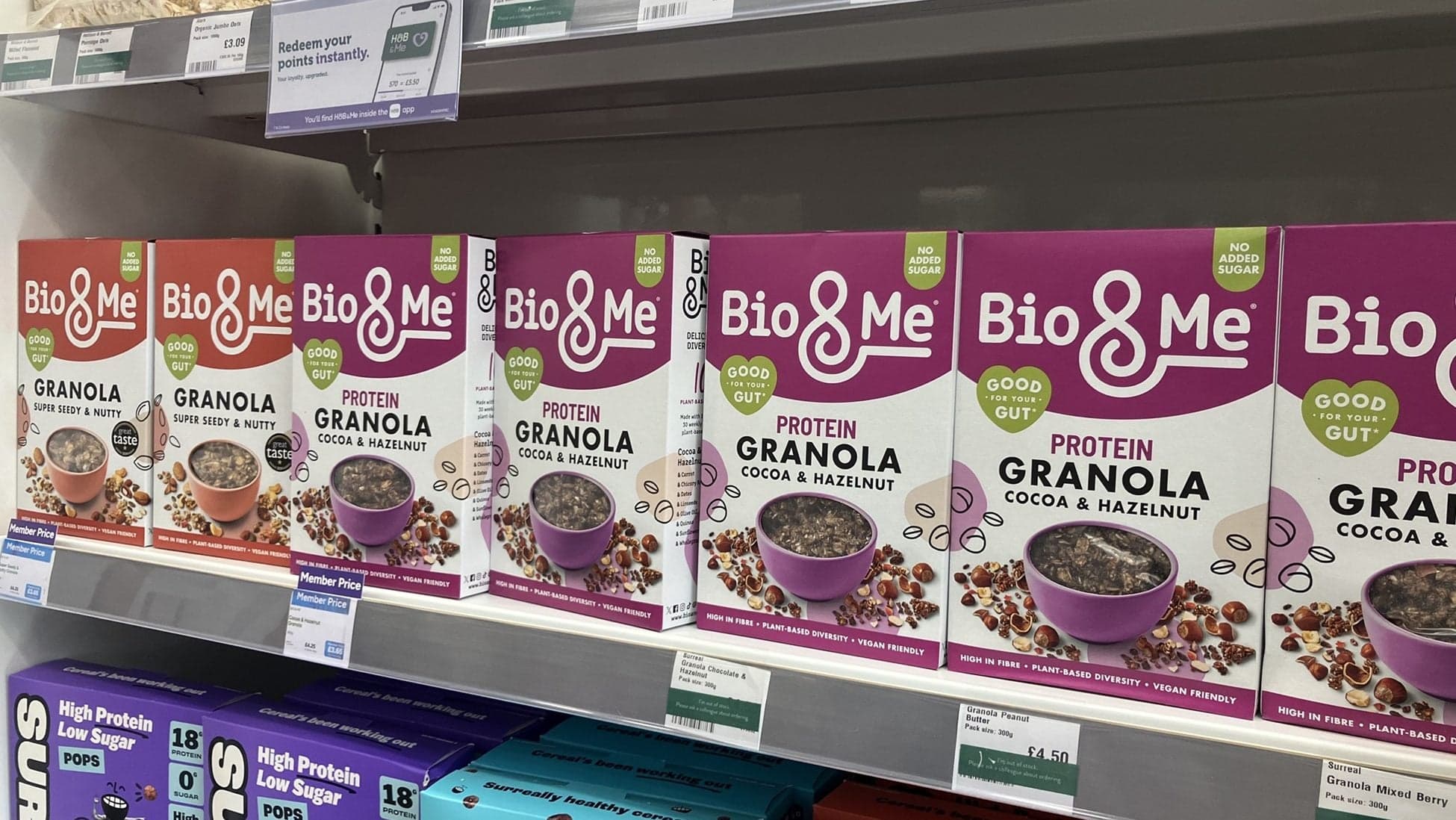
Jon Walsh, co-founder and CEO of UK granola brand Bio & Me, describes the current attention as a "moment" for fibre. "The thing about the current social media buzz is it's on top of strong foundations," he says. "Fibre, which has been all about brown, bran and poo, basically, for 30, 40, 50 years, is now having a sexy moment."
Why Fibre, Why Now
Fibre is moving from what trends intelligence consultancy Stylus calls "a niche and unattractive conversation to a mainstream concern." Multiple forces are at work. Mandy Saven, trends and foresight director at Stylus, points to mid-lifers seeking to manage blood sugar, digestion, heart health and weight control all at once. Younger consumers, she explains, are growing up in a culture that emphasizes gut health, mental wellbeing and metabolic balance. They also align fibre with plant-based eating and microbiome-friendly choices they already prefer.
The rise of GLP-1 medication has also raised awareness. Users of these drugs face constipation and muscle wasting, making fibre and protein increasingly discussed together in the context of health solutions.
Mainstream Brands Wake Up
Fernanda Covarrubias, senior marketing manager at ingredient supplier Tate & Lyle, notes "strong and sustained growth in demand for fibre ingredients across multiple regions and categories." Investment is particularly strong in beverages, bakery, snacks, dairy and dairy alternatives, and nutrition-focused products.
"What's notable is that fibre is no longer limited to niche health or functional brands. Mainstream food and drink companies are increasingly prioritising fibre to enhance the nutritional profile of everyday products," Covarrubias says.
PepsiCo exemplifies this shift. The company paid nearly $2 billion for Poppi, the US prebiotic soda brand, last year. More recently, it created Smartfood FiberPop and SunChips Fiber to deliver "flavourful, convenient snacks with fibre" as interest in fibremaxxing rises. In the UK, PepsiCo rebranded its Sunbites snack range to S.U.N., with the majority of UK consumers now trying to adapt to healthier lifestyles but more than nine in ten adults in the country not eating the recommended daily amount of fibre of 30g. The S.U.N. snacks contain 6.7g of fibre per 100g.
New Entrants See Opportunity
Jeni Britton, founder of US ice cream brand Jeni's Splendid Ice Creams, launched fibre bar company Floura & Co. last year, using upcycled ingredients like mango rinds and apple cores. Her bars contain 15g of fibre and are available through independent retailers, coffee shops and online. Britton views the shift not as a trend but as a correction. "High-fibre snacks are projected to grow significantly into a $40bn-plus category by 2030, and fibre is now being called out as one of the defining food trends of 2026," she says.
Emerging Markets Join In
Interest in fibre extends beyond developed economies. In India, Dr Prabodh Halde, chairman of the All India Food Processors' Association' western region, says "we are seeing a massive shift from 'zero sugar' to 'high Fibre' as the primary health claim." Urban professionals, diabetics and younger consumers have been the first to adopt high-fibre staples. Gen Z and Millennials in India are influenced by global biohacking trends, viewing fibre as a tool for skin health and weight management. Food brands are launching multi-millet breads, biscuits and pastas in response.
A Caution on Halo Effects
Dr Yvonne Finnegan, scientific director at Ireland-based Finne Nutrition & Regulatory Consultancy, believes dietary fibre will become as important as protein thanks to rising awareness of gut health. However, she warns brands to avoid creating a "health halo" on otherwise unhealthy products. She also cautions that if adding an isolated fibre, product developers must understand tolerance limits for that fibre in their specific food format and not exceed limits just to chase a "high fibre" claim.