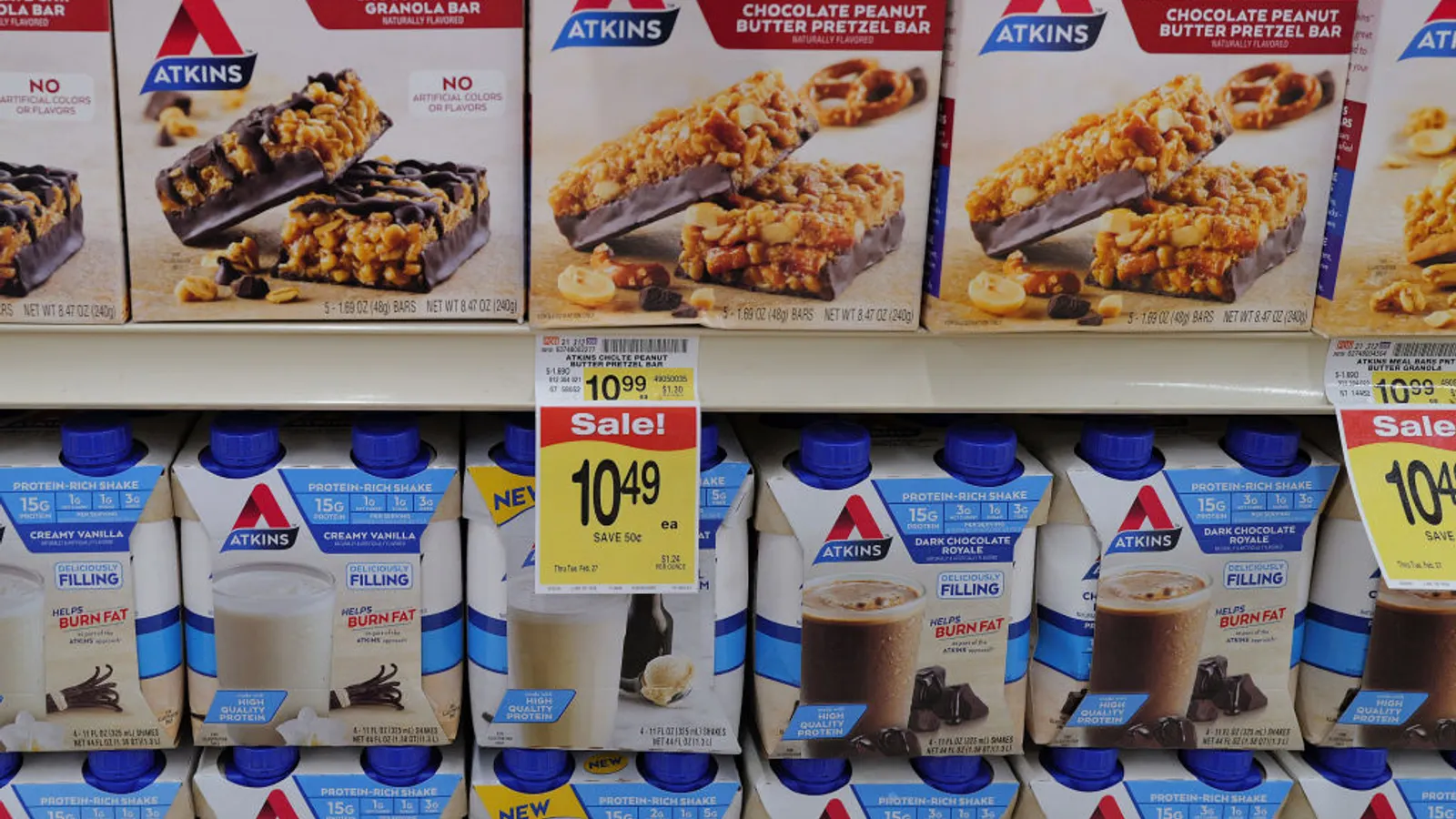
Whey protein concentrate, once a cheap cheese-making byproduct, has become one of the most in-demand ingredients in food manufacturing. The unprecedented demand is creating widespread shortages, with some suppliers sold out through the end of the year, according to the USDA.
Prices have surged as a result. Standard whey powder prices have increased more than 50% since January, according to DCA Market Intelligence. Whey protein concentrate with 80% protein content is fetching $11 per unit at spot prices, while protein isolate (over 90% protein) trades "firmly in the $12s," according to the USDA. BellRing Brands, owner of Premier Protein and Dymatize, reports whey protein prices have reached "historic highs," CEO Darcy Davenport said on an earnings call.
Tight whey supplies are also pushing up the price of non-fat dry milk, another protein fortification ingredient used in BellRing's shakes. The dual pressure is forcing companies to decide whether to raise prices or reformulate using cheaper alternatives such as soy and pea protein. At least one major competitor has announced a "pretty significant pricing" increase, Davenport said.
The protein boom has wider momentum. Seventy percent of Americans now say they want more protein in their diets, up from 59% four years ago, according to the International Food Information Council. Rising use of GLP-1 weight loss drugs has further fueled demand as consumers eating less need more protein per meal to meet nutritional needs. Protein has moved beyond fitness into mainstream grocery aisles, appearing in Pop-Tarts, Kraft Mac & Cheese, and Doritos.
U.S. dairy producers have announced $11 billion in new and expanded manufacturing capacity across 19 states to address the supply gap. The International Dairy Foods Association expects U.S. milk production to grow by 15 billion pounds by 2030 to meet protein demand. But scaling production is complex. Milk from U.S. cows has lower protein content than in other countries partly due to genetics, and ramping whey production has created a surplus of butterfat, another dairy byproduct, adding market volatility.