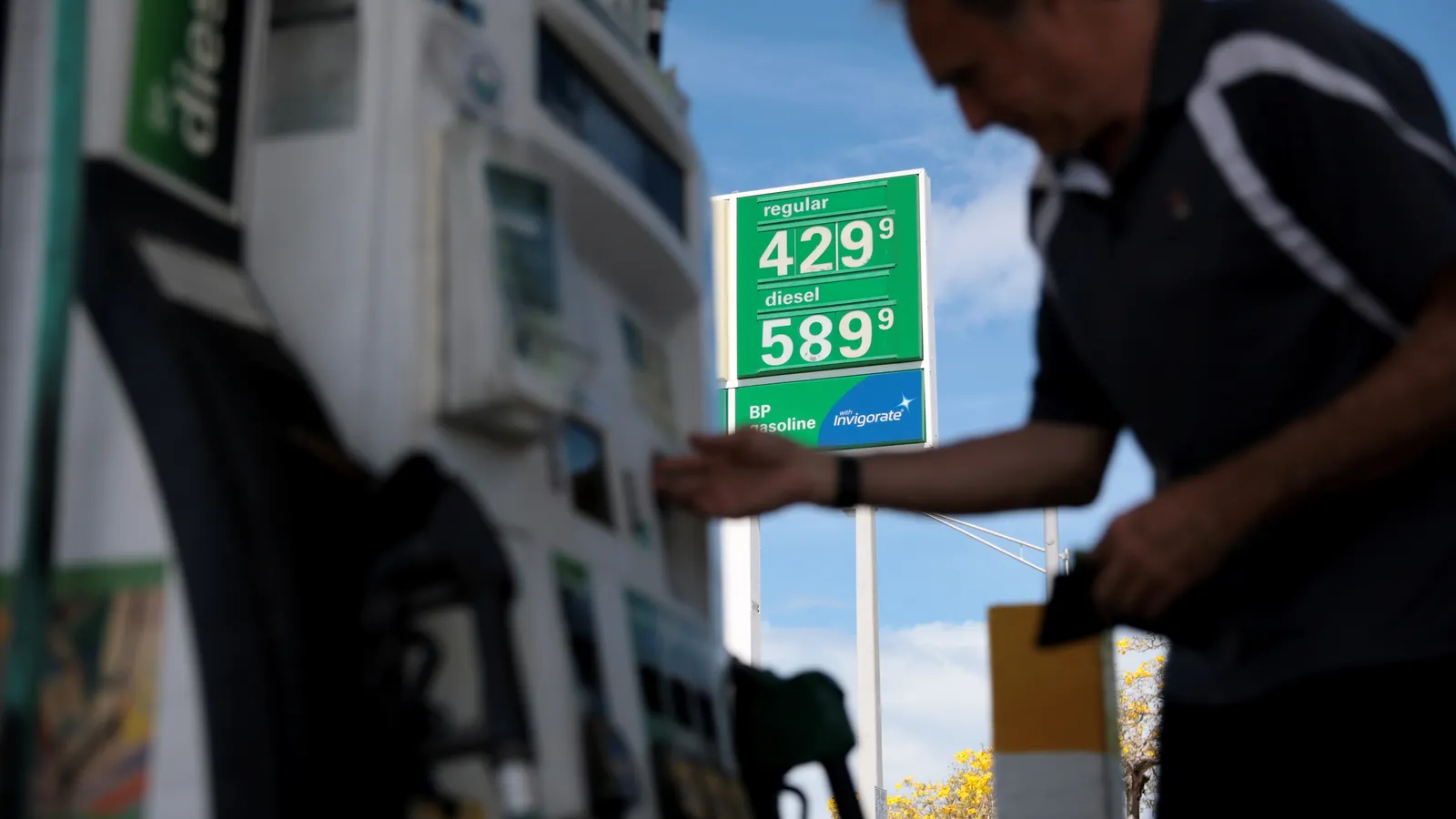
Oil prices have spiked following the Iran war, sending regular gas above $4 per gallon nationally. BJ's Wholesale Club captured headlines with a one-day promotion selling fuel for $2 per gallon at its new Texas location, well below state and national averages.
Grocers say the direct damage so far is limited. Albertsons CEO Susan Morris acknowledged that shoppers at the lower end of the income spectrum show stress from higher gas prices, but the company is offsetting impact by adjusting prices strategically while using productivity savings to protect returns. Albertsons also expects growth in its fuel rewards program because of elevated energy costs.
Kroger has leaned on fuel incentives, offering four times the normal fuel points during promotional windows in late March and early April. Walmart CFO John David Rainey called the consumer "resilient" during an April conference, saying elevated fuel prices remain "well within our ability to manage at this point in time." He cautioned that it may take time for fuel costs to flow into food prices through fertilizer and other agricultural inputs.
But the industry is bracing. The Food Industry Association noted that fuel powers equipment at every stage of the food system. As energy prices rise, the costs of producing and delivering food rise with them. Grocery inflation did ease in March, but executives expect pressure to build if oil prices stay elevated or if the conflict persists.
Even if commodity prices soften soon, gas station operators are likely to keep pump prices higher for longer to recover losses they absorbed during the initial price shock, according to reporting by The New York Times cited in the article.