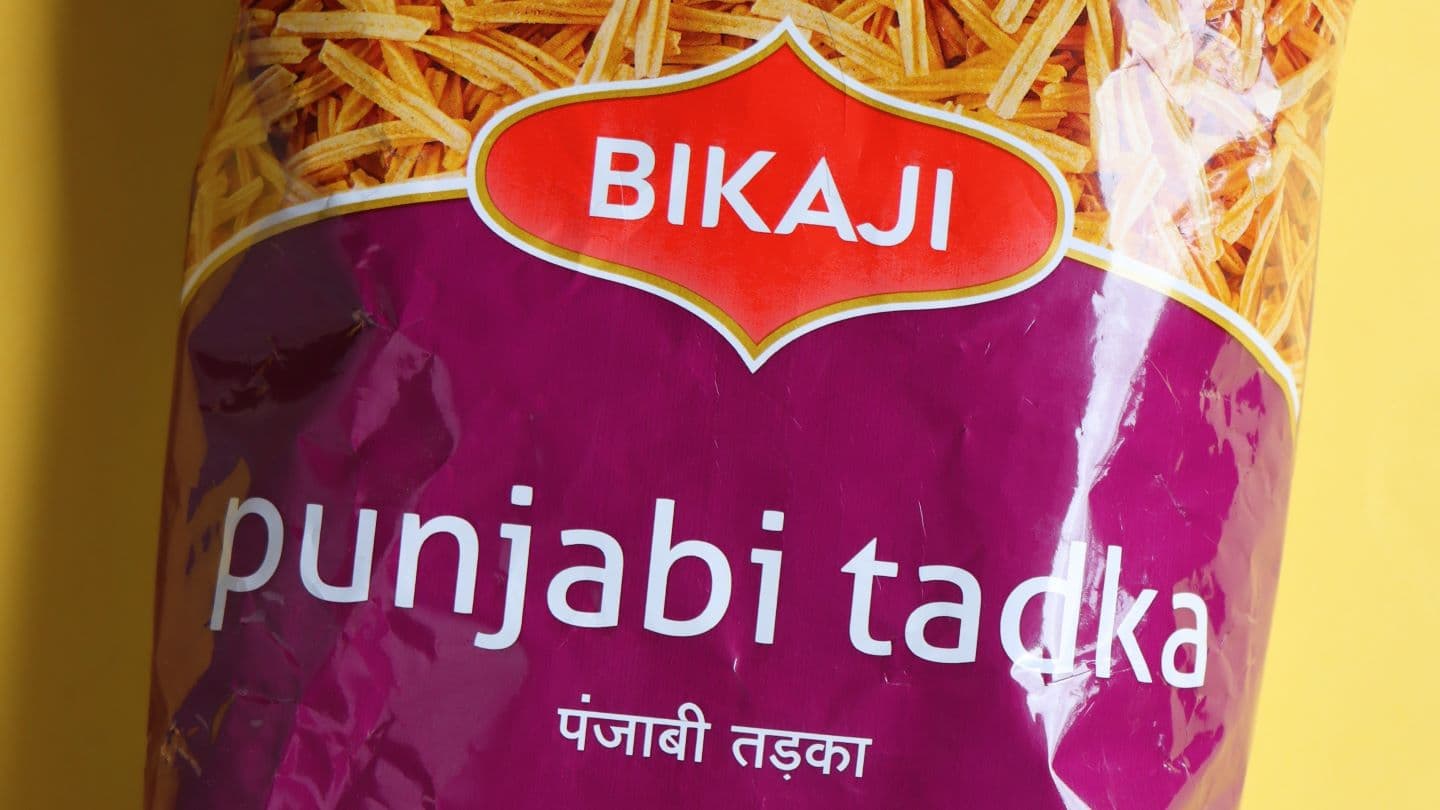
Bikaji Foods International announced two growth investments after reporting stronger earnings for fiscal 2026. The company said it will acquire a 74% stake in Chhattisgarh-based Jai Barbareek Dev Snacks and invest $5m in its wholly owned US subsidiary, Bikaji Foods International USA Corp., to build a manufacturing plant.
Fourth-quarter and full-year results
Revenue from operations in the fourth quarter to 31 March increased 18% year-on-year to Rs7.20bn, while profit after tax rose 39.8% to Rs560m. Volume growth in the quarter was 16.1%. For the full year, revenue rose 14.4% to Rs29.93bn and EBITDA increased 25.1% to Rs4.10bn. Full-year profit after tax stood at Rs2.54bn, while volume growth was 9.5%.
Indian acquisition
The target company, Jai Barbareek Dev Snacks, was incorporated in 2022 and reported turnover of Rs198.1m ($2m) in fiscal 2025. After the transaction, it will become a Bikaji subsidiary. The company said the acquisition is intended to "accelerate business growth and enhance market presence in the Chhattisgarh, thereby ensuring wider reach and improved customer accessibility".
US manufacturing investment
The US investment will be made in cash in tranches over about ten months. Bikaji's US division, incorporated in New Jersey in July 2023, recorded a turnover of $2.62m in fiscal 2026, compared to $1.77m in 2025 and $1.1m in 2024. The company said the investment will "accelerate business growth and enhance market presence".
Segment performance and market reach
Ethnic snacks remained the biggest segment, accounting for 68.9% of annual revenue after growing 11.2%. Packaged sweets rose 8.9%, western snacks 6.8% and papads 10.9%. As of 31 March 2026, Bikaji had total installed manufacturing capacity of 325,320 metric tonnes and direct distribution reach of 353,638 outlets. Managing director Deepak Agarwal noted that demand trends stayed resilient, supported by staples-led snacking and formalisation in the unorganised segment. Modern formats, particularly e-commerce and modern trade, continued to outpace the broader market, while general trade delivered steady gains.